A Look Back at Edible Narratives
Thank you for attending our virtual event, Edible Narratives: Stories of Food, Culture, and Change. Together, we explored how food connects us to culture, history, and the environment. Through hands-on projects in Dr. Cindy Rosenfeld’s Environmental Communication course, students shared creative presentations that linked local dishes to issues like biodiversity, climate-friendly farming, and heritage preservation.
This event was part of the College of Humanities and Social Sciences’ Human Factor Speaker Series, which focuses on human-centered solutions to today’s pressing challenges. We’re thrilled to have had you join us in this meaningful conversation about food, culture, and sustainability.
Rewatch the webinar
Takeaways from the Webinar
1. Food as a Storytelling Tool
Students demonstrated how food can serve as a powerful medium for storytelling, connecting everyday dishes to larger themes of sustainability, culture, and environmental impact. From sourdough bread to Brunswick stew, each dish told a unique story about its origins, evolution, and significance in North Carolina’s history.
2. The Edible Humanities Fair
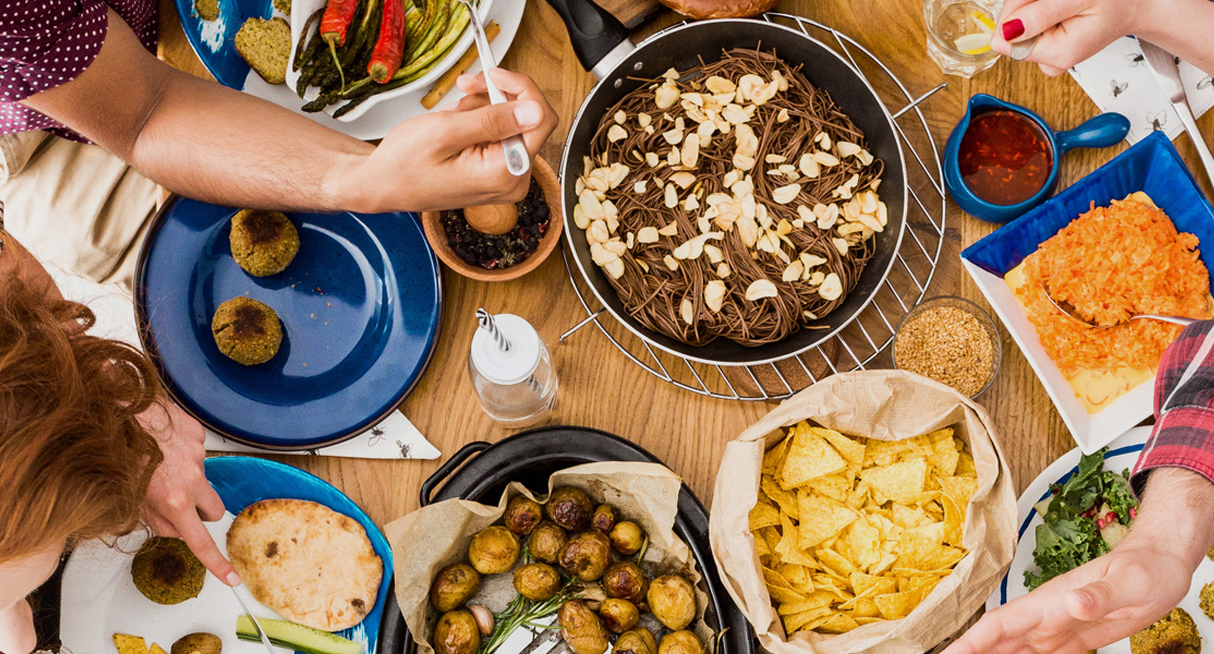
The event showcased the culmination of a semester-long project in Dr. Cindy Rosenfeld’s Environmental Communication course. Students presented their research-backed dishes at a public potluck, blending academic theory with hands-on creativity. Each plate was paired with a three-minute story, offering a deeper understanding of the cultural and environmental narratives behind the food.
3. The Role of Local Foods
North Carolina’s local foods, such as sweet potatoes, pecans, and pimento cheese, were celebrated for their cultural, historical, and economic importance. Students explored how these ingredients reflect the state’s identity and how they adapt to changing environmental and social conditions.
4. Sustainability in Action
The event highlighted the importance of sustainable food practices, encompassing everything from sourcing local ingredients to minimizing waste. Students shared how their projects encouraged them to think critically about the environmental impact of food production and consumption, inspiring attendees to make more intentional choices in their own lives.
5. Community Engagement and Reflection
The event fostered meaningful conversations about food, culture, and identity. Attendees were invited to reflect on their own food traditions and consider how they can support local agriculture and sustainable practices. The students’ reflections revealed how the project deepened their understanding of eco-cultural identity and the interconnectedness of food, environment, and community.